أخبار الصناعة
محتوى
A stainless steel faucet, particularly one made from 304 or 316 grade steel, offers superior corrosion resistance, is naturally lead-free and non-porous, and can last 15–25 years with proper care — outperforming most brass or zinc alloy alternatives in long-term durability and hygiene. Unlike chrome-plated brass faucets, where the finish can chip or wear away over time to expose underlying metal, solid stainless steel faucets maintain consistent material properties all the way through, meaning scratches or wear don't compromise corrosion resistance or introduce lead exposure risk. This makes stainless steel a preferred choice for kitchens, commercial food service settings, and health-conscious households.
In short: if you're prioritizing long-term durability, hygiene, and low maintenance over the lowest upfront price, a properly graded stainless steel faucet is one of the most reliable investments you can make in a kitchen or bathroom.
Not all "stainless steel" faucets are created equal — the specific grade used significantly affects corrosion resistance, durability, and price.
304-grade stainless steel, containing approximately 18% chromium and 8% nickel, is the most common grade used in residential faucets due to its strong balance of corrosion resistance, workability, and cost. It performs well in typical tap water conditions and resists rust and staining under normal household use.
316-grade adds molybdenum to the alloy composition, significantly improving resistance to chloride corrosion and pitting. This makes it the preferred choice for coastal areas, marine environments, or regions with higher mineral or salt content in water supply.
Some budget faucets use 201-grade steel, which substitutes manganese for part of the nickel content to reduce cost. While cheaper, 201-grade steel offers substantially lower corrosion resistance and is more prone to rust spotting within just a few years of regular use, making it a poor long-term investment despite the lower upfront price.
| Grade | Key Composition | Best Use Case |
|---|---|---|
| 304 | 18% Cr, 8% Ni | Standard residential kitchens/bathrooms |
| 316 | 16% Cr, 10% Ni, 2% Mo | Coastal homes, commercial food service |
| 201 | Lower Ni, higher Mn | Budget applications only |
The finish applied to a stainless steel faucet affects both its appearance and its resistance to fingerprints, water spots, and scratching.
Features a matte, textured surface created by fine abrasive brushing. This finish is highly popular because it effectively hides water spots and fingerprints, requiring less frequent cleaning than polished finishes.
Offers a bright, reflective surface with a premium visual appeal, but shows water spots, fingerprints, and minor scratches more readily, requiring more frequent wiping to maintain its appearance.
PVD coatings bond a thin, extremely hard layer of metal (often titanium-based) to the faucet surface, achieving hardness ratings of 2,000–2,500 Vickers — roughly 4–5 times harder than traditional chrome plating — making PVD-finished faucets highly resistant to scratching, fading, and tarnishing over decades of use.
Beyond grade and finish, several practical factors should guide your final faucet selection.
Look for ceramic disc cartridges, which are rated for 500,000 cycles or more and provide smooth, drip-free operation over the faucet's lifetime — far outlasting rubber washer or ball-type valves common in lower-cost faucets.
Check for certifications such as NSF/ANSI 61 (material safety for drinking water) and NSF/ANSI 372 (lead-free compliance), along with regional standards like WaterSense for flow rate efficiency, typically capping flow at 1.8 gallons per minute (6.8 L/min).
Genuine solid stainless steel faucets feel noticeably heavier than steel-plated zinc alloy imitations. A wall thickness of at least 1.0–1.2mm at stress points such as the spout base indicates adequate structural durability.
Reputable manufacturers typically offer 10-year to lifetime warranties on finish and mechanical function for genuine 304/316 stainless steel products — a warranty length that itself signals the manufacturer's confidence in material quality.
Even the highest-grade stainless steel faucet benefits from routine care to preserve its finish and function.
Comparing stainless steel against other widely used faucet materials clarifies where it offers the strongest advantages.
Solid stainless steel consistently ranks above these alternatives in corrosion resistance and lifecycle cost, even though its upfront price is often higher.
Choosing the right stainless steel faucet comes down to understanding grade, finish, and internal component quality rather than relying on the "stainless steel" label alone. Opting for 304 or 316 grade steel, a durable finish such as brushed stainless or PVD coating, and a ceramic disc cartridge ensures a faucet that performs reliably for well over a decade. Paying attention to certifications, wall thickness, and warranty terms helps buyers avoid lower-grade imitations and make a confident, long-term investment in kitchen or bathroom fixtures.
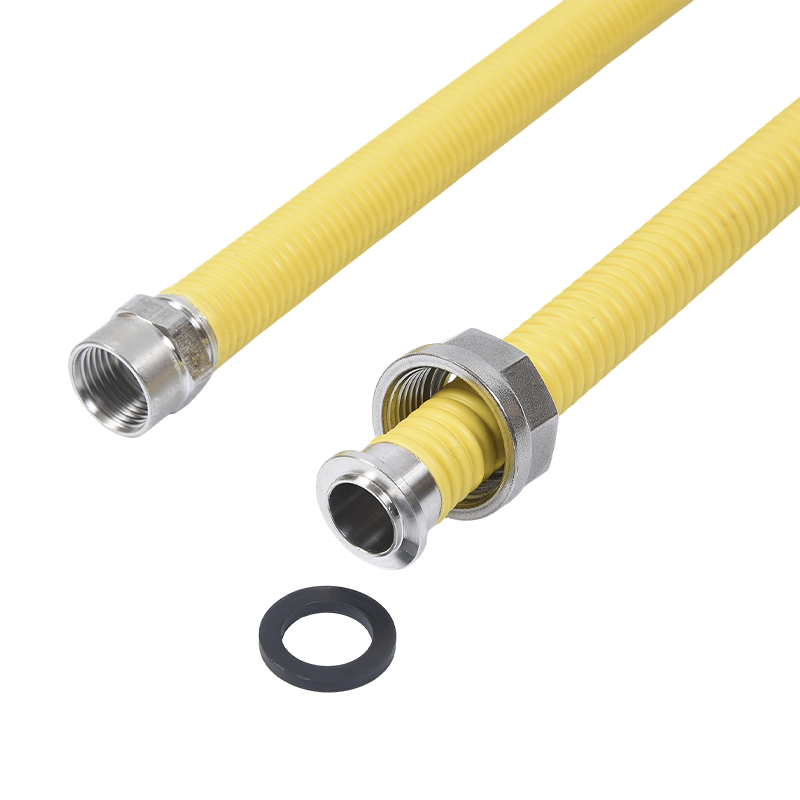
تم تصميم هذا الأنبوب بتصميم مموج حلزوني، ويتميز بمقاومة ملحوظة للتآكل والضغط والقوى الميكانيكية. لا يضيف الهيكل الحلزوني المعقد القوة فحسب، بل يضمن أيضًا المرونة، مما يسمح للخرطوم بالتكيف بسلاسة مع تك...
عرض التفاصيل
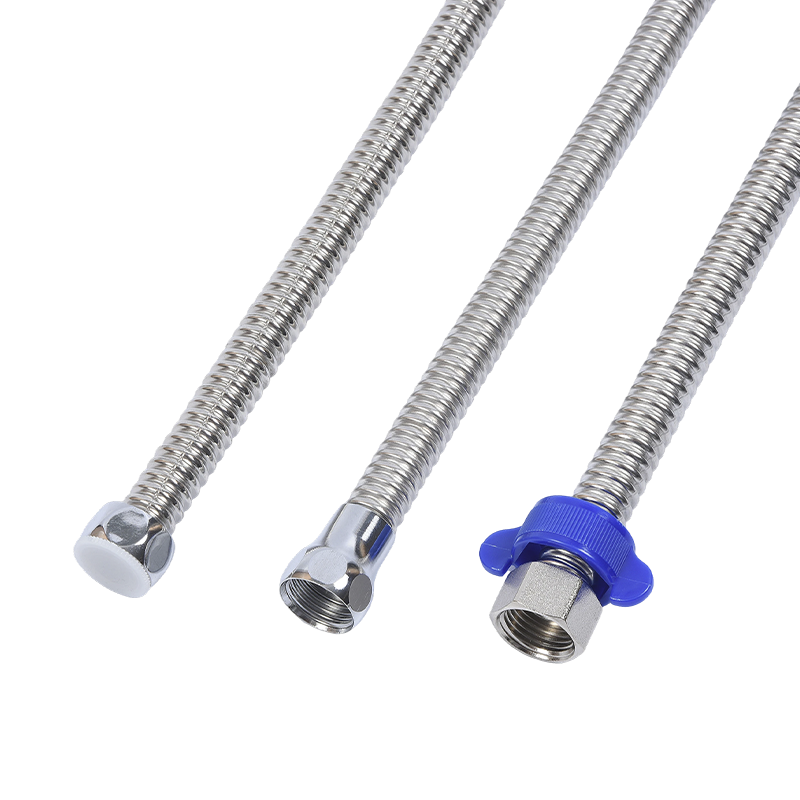
يعد أنبوب سخان مياه حوض الحمام المصنوع من الفولاذ المقاوم للصدأ مكونًا أساسيًا مصممًا لتوصيل الماء الساخن إلى أحواض الحمام بكفاءة وأمان. يتم استخدامه بشكل أساسي في الحمامات السكنية والتجارية، مما يضمن...
عرض التفاصيل
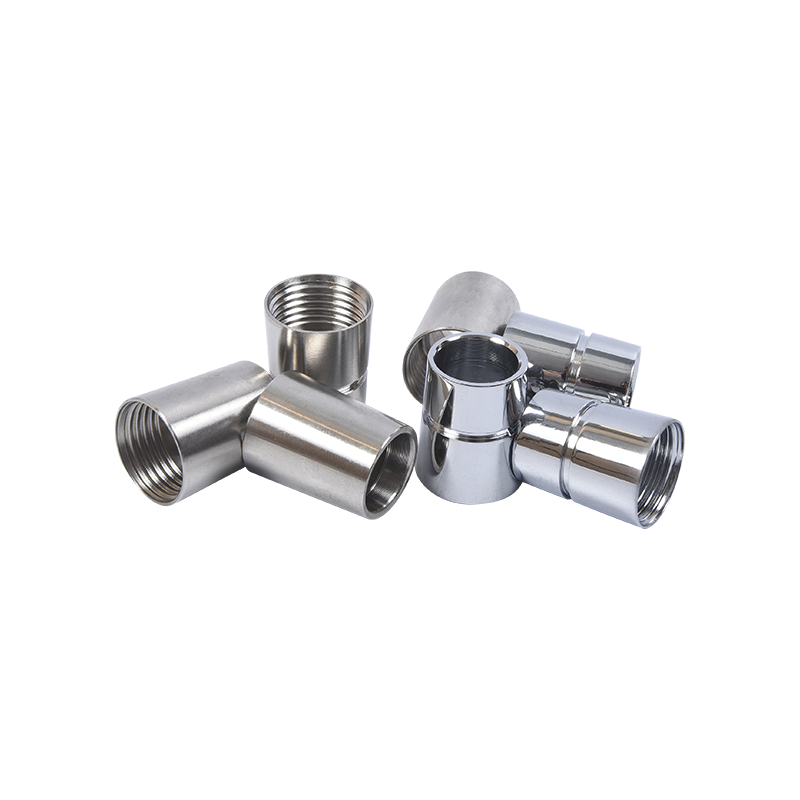
الوظيفة الأساسية للموصل المستقيم ذو الخيط الأنثوي المصنوع من الفولاذ المقاوم للصدأ هي توصيل مكونين أو تجهيزات ملولبة خارجيًا، مما يتيح نقل السوائل بكفاءة داخل نظام الأنابيب. ويتميز بجسم أسطواني مستقيم...
عرض التفاصيلحقوق الطبع والنشر © ل Yuyao Boli Pipe Industry Ltd. جميع الحقوق محفوظة.

مصنعي أنابيب الغاز المصنوعة من الفولاذ المقاوم للصدأ حسب الطلب